Spring 2025 — 3rd Nomadic Migration
In the Footsteps of the Wind
In 2025, I returned to the Zagros Mountains not just to complete a trail, but to complete a story. After two years of walking with the Bakhtiari nomads, covering more than two-thirds of their migration path, I realised something was missing. It wasn’t the distance I hadn’t crossed — it was the life I hadn’t seen. I thought this would be the year I’d reach the end. But instead, it became the year I finally understood the beginning.
In 2023 and 2024, I joined the tribe just before the migration began. I arrived, packed my gear, and hit the trail — excited to walk with them, to photograph, to record. But what I missed was everything that happens before and after the movement. I didn’t know how they live when they’re not on the move — how they prepare, how they gather their things, how they say farewell to one season and settle into the next. And without that, my story — and my understanding — felt incomplete.
So this year, I did it differently.
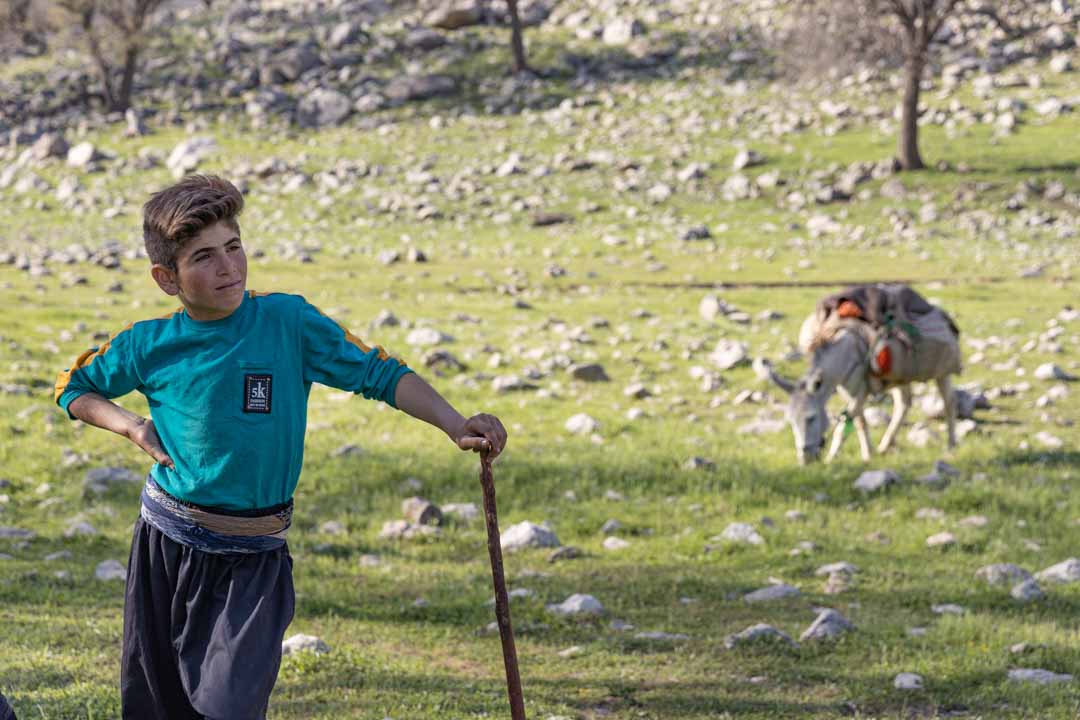
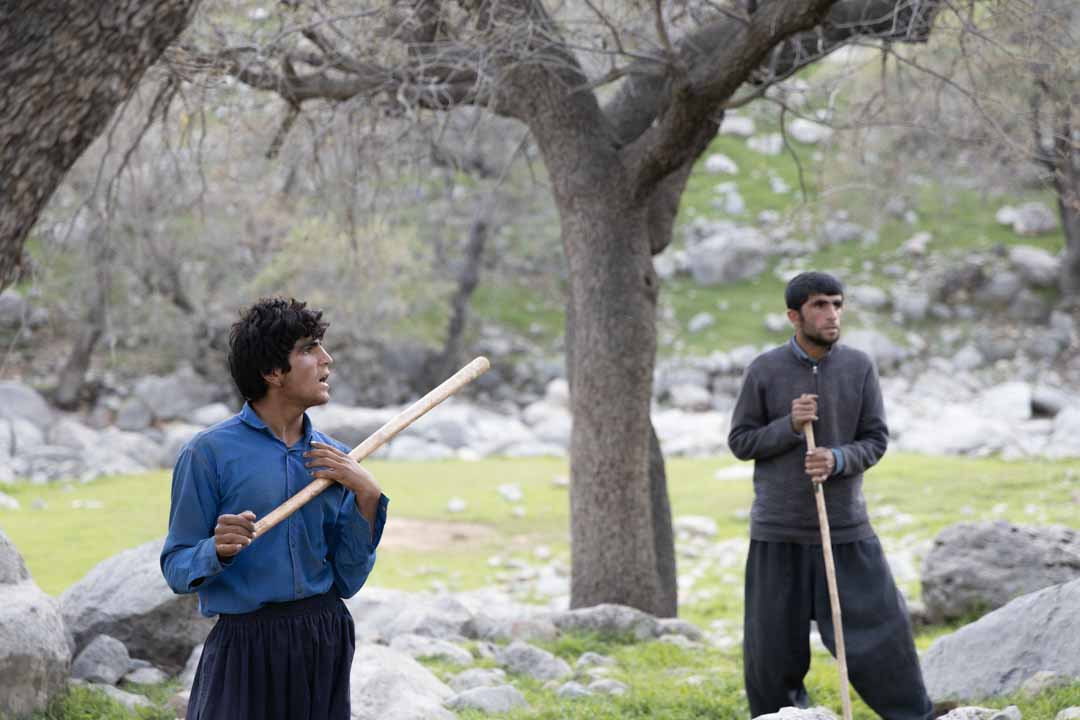
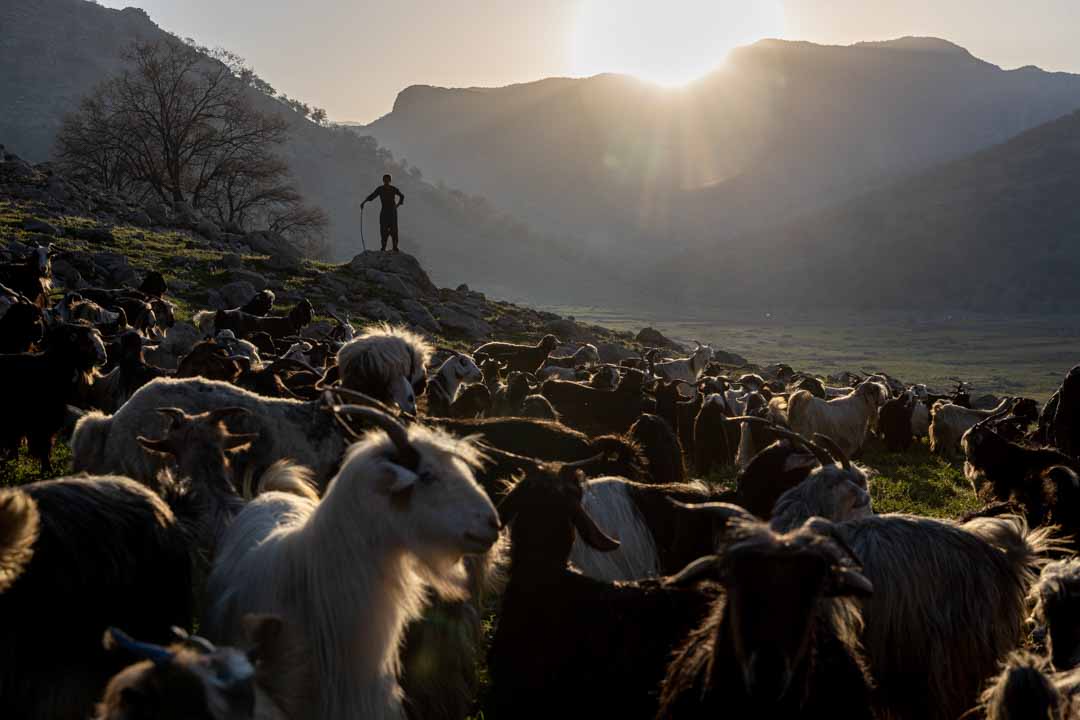
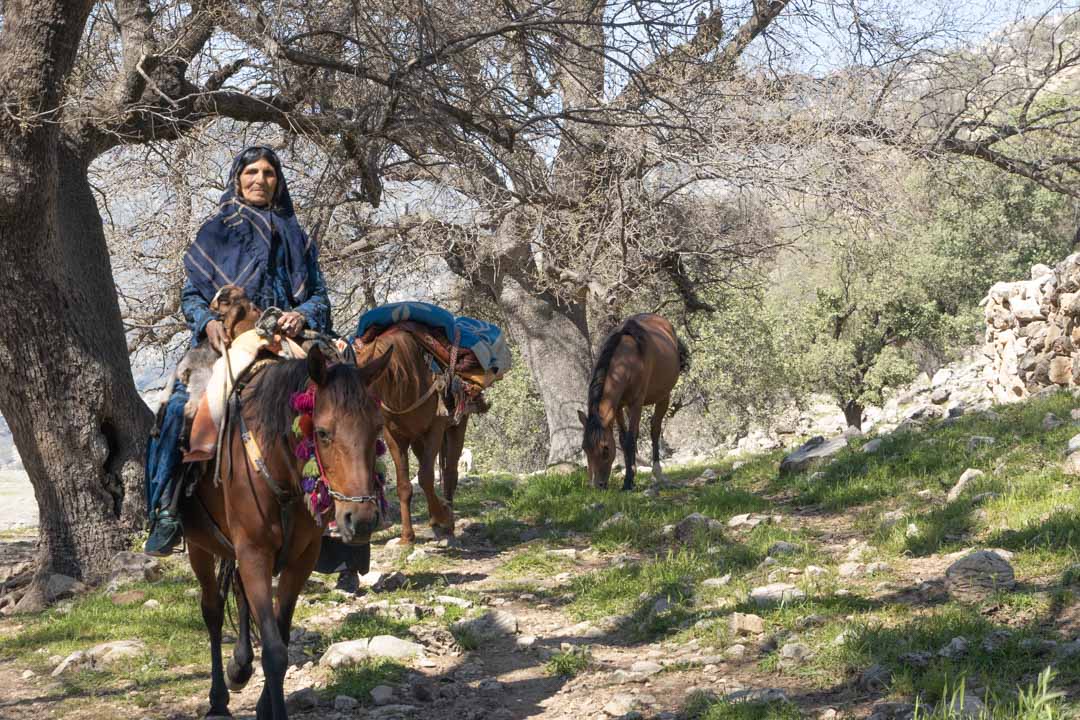
I travelled to their spring pasture a couple of weeks before the migration began. I stayed with the tribe, not as a visitor but as a guest, a quiet observer, a part of their everyday life. I watched as they packed up their tents, organised their livestock, and said goodbye to the fields that had fed them through winter and spring. I saw how homes of black goat-hair — centuries-old in design — were taken down, folded, and carried like memory on the backs of mules. These were not just moments; they were rituals, filled with rhythm, purpose, and deep meaning.
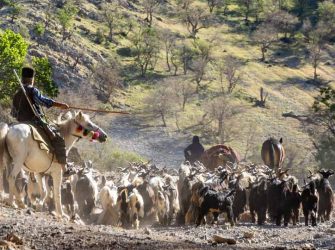
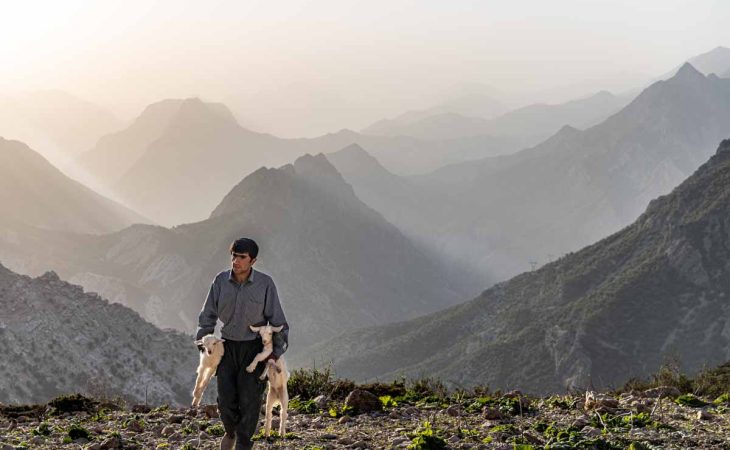
Then, I joined their three-week migration on foot through the heart of the Zagros — from the southern province of Khuzestan to the summer pastures near Fereydunshahr in the west of Isfahan. We crossed rivers, dense forests, and snow-covered mountain passes reaching up to 3,650 metres, walking over 200 kilometres through some of the most remote and rugged terrain in Iran. But this time, I was not in a hurry. I wasn’t just walking to reach a destination — I was walking to understand.
This year, I completed the entire trail. But more importantly, I stayed after it ended.
I lived with the tribe for another week in their summer pasture, witnessing how they reassembled their tents, set up new grazing routes, and adapted to the changing altitude and landscape. I saw how the cycle begins again — a rhythm that repeats each year but never feels the same.
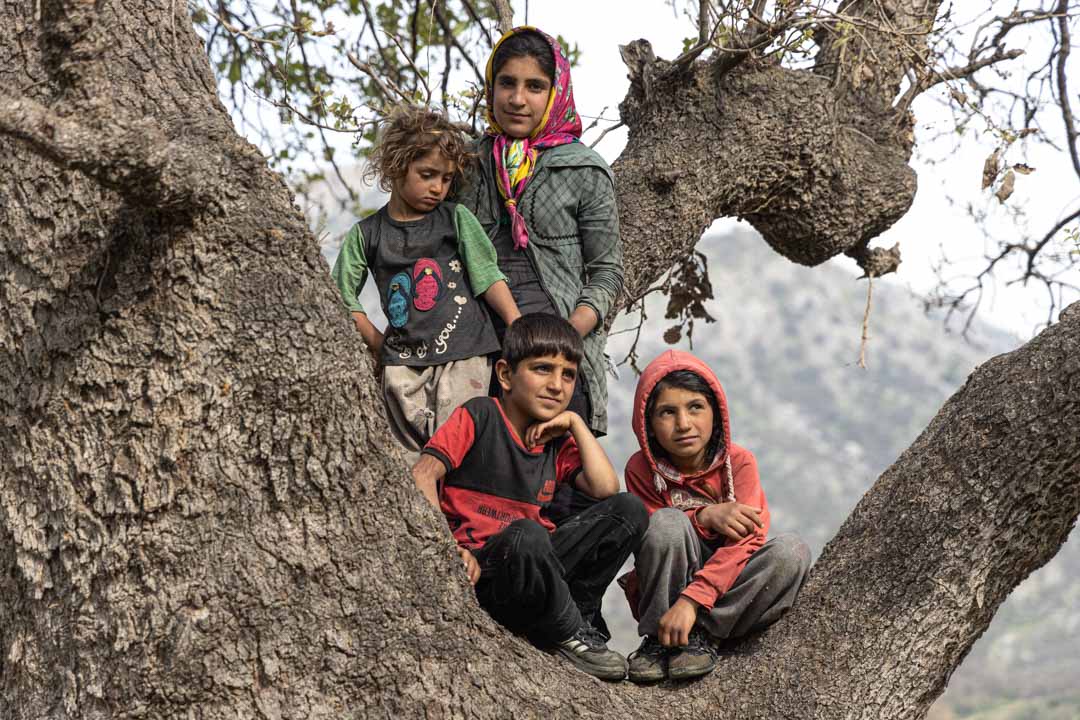
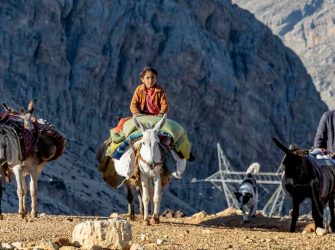
During this final journey, I experienced both beauty and tragedy. I witnessed family violence, heard stories of tribal conflict, and saw the aftermath of a deadly fire that destroyed a nearby camp. And yet, I also found light — especially in the children, who carried the weight of the migration with small but steady feet. They played and worked with equal seriousness, growing up in a world that demands strength from the moment they can walk.
After three years of walking, watching, and wondering, I finally found the answers I didn’t know I was looking for. I discovered that the real story of the nomads isn’t just about the migration — it’s about the life that happens before the first step and after the last one. It’s about the small decisions, the quiet routines, the sacred pauses in between.
This year’s journey changed me. I no longer see myself as just a photographer. The images I’ve captured are important, but they are only part of the work. I’ve decided not to create only a coffee table book. The richness, pain, strength, and mystery of what I’ve experienced must be told with words, with memory, with depth.
My book is nearly complete— a story of Iran’s dying nomads, a journey through a vanishing world. And yet, even as this chapter ends, a new one begins. The Bakhtiari have changed my path. They’ve opened a door to something larger. The migration is complete but the journey is still ongoing.