
2nd Migration
The Last Zolfaghar Walk (2024)
Marriage is one of the main factors that has changed the nomadic way of life and led many families to settle permanently in cities. Many young nomadic women hope to have an easier life and see the city as a place that offers them more comfort with greater opportunities. To respect their wives’ wishes, their husbands often choose to settle even when they would prefer to continue the nomadic way of life. As young couples leave their extended families, nomadic households become smaller and no longer have enough members to undertake the long and difficult migration together.
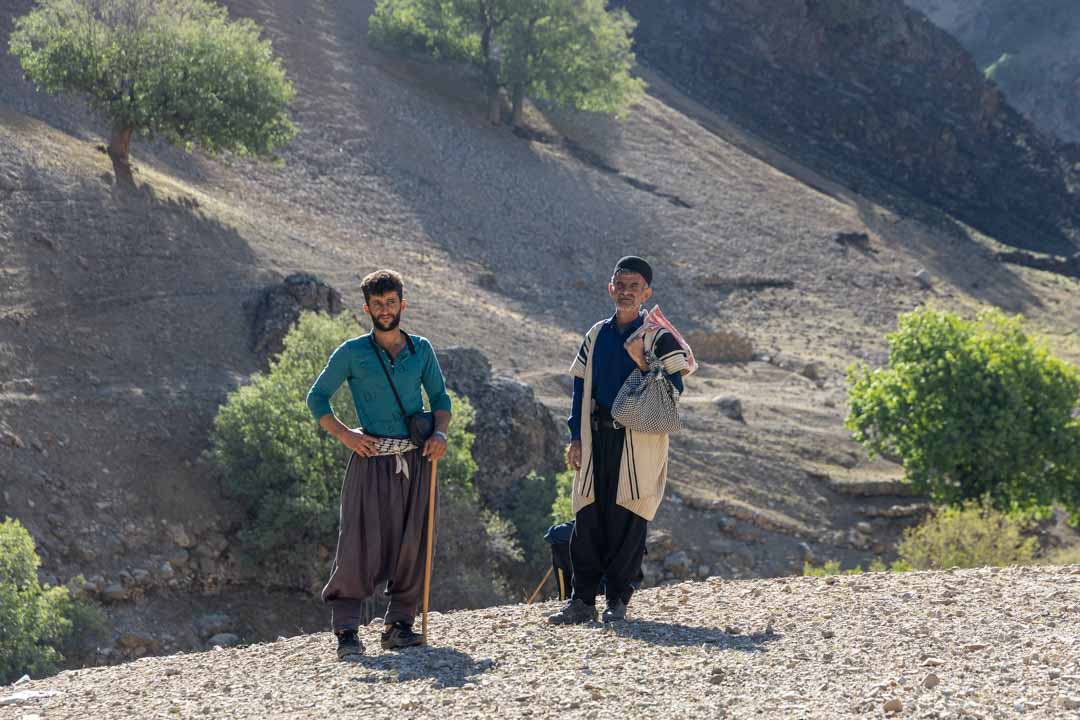
In the spring of 2024, during the Bakhtiari migration, one of the greatest challenges facing the nomads was the decreasing number of their family members participating in it.
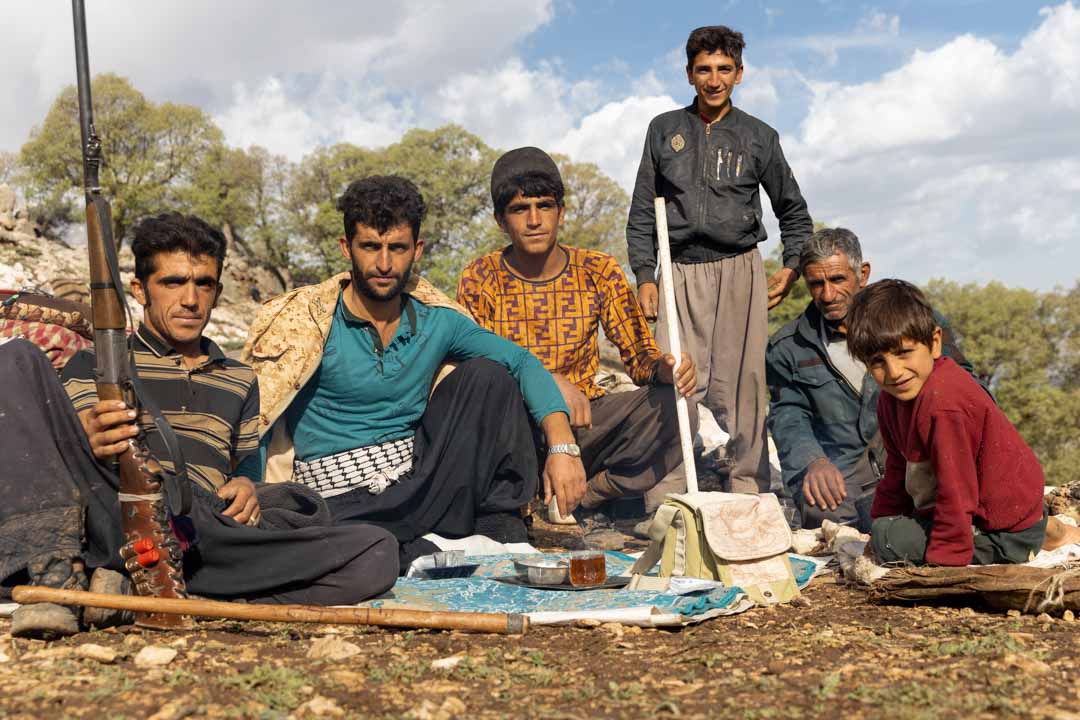
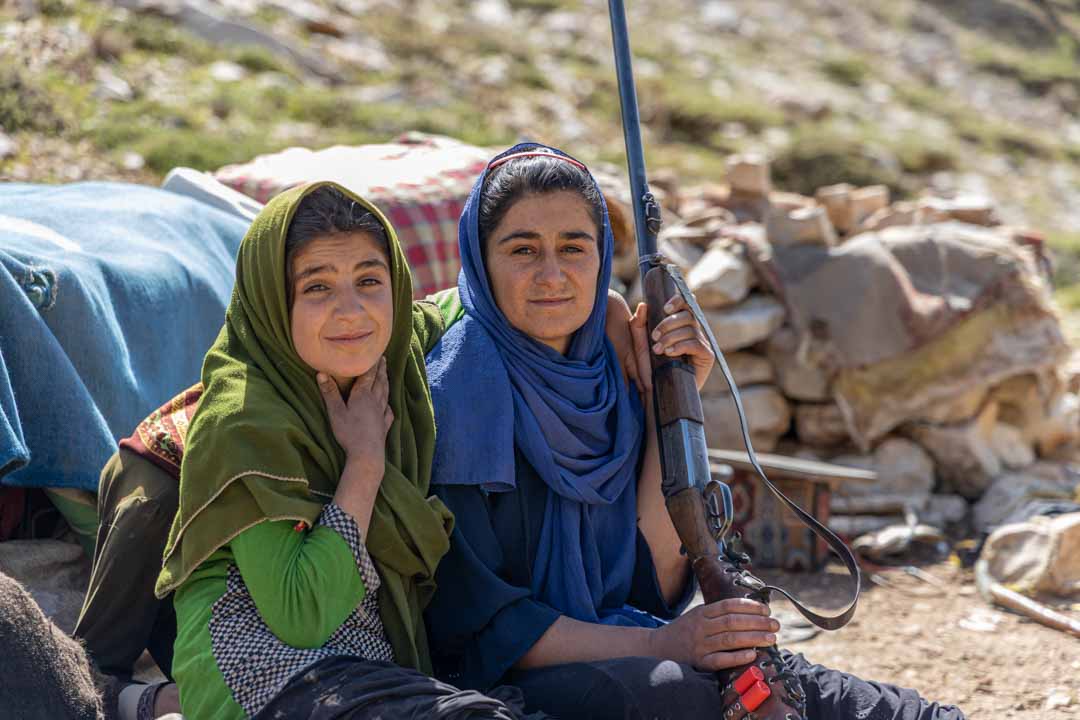
Like many Bakhtiari fathers, the Mokhtari brothers migrated with only a few members of the large families that once lived together. One of these brothers, Zolfaghar, was accompanied by just a handful of his family during this journey: his two unmarried daughters and one of his sons. His son had temporarily left his job as a laborer in the city to help his father during the trail. Zolfaghar’s wife was no longer physically able to endure the long journey, and his other sons had married and settled permanently.
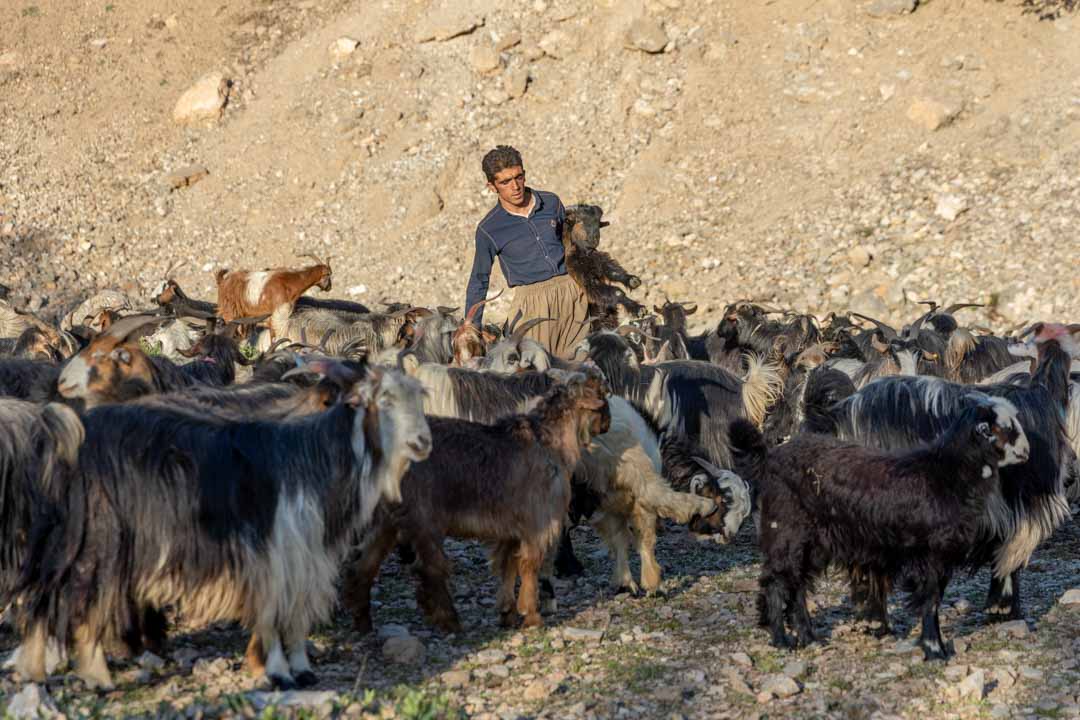
During the migration, Zolfaghar’s children took on much of the daily responsibilities. They looked after the sheep, cooked over open fires, occasionally hunted for food and carried out the daily tasks.
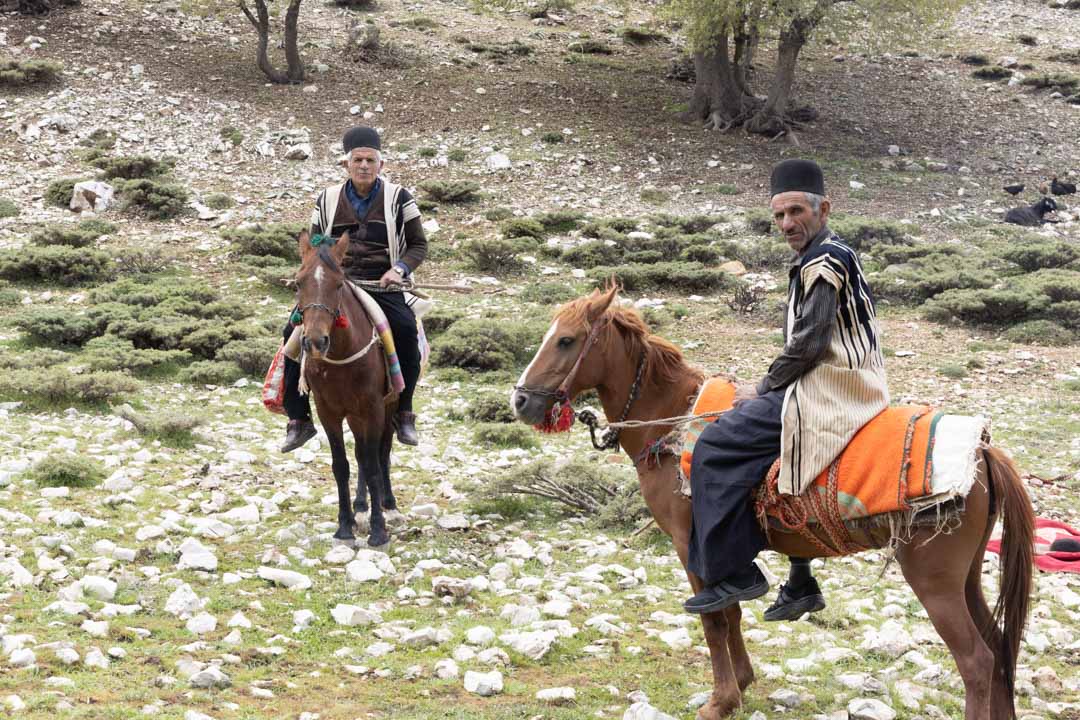
After two weeks of walking through the high mountains, Zolfaghar carried out a decision he had made some time earlier. In one of the villages along the way, he sold his horses and permanently gave up foot migration on this ancient trail. Zolfaghar transported most of his belongings to the destination by pickup truck.
From that point on, Zolfaghar continued the journey by road, finally giving up his traditional way of life. There was no going back.