Abyaneh: Echoes of an Ancient Ritual
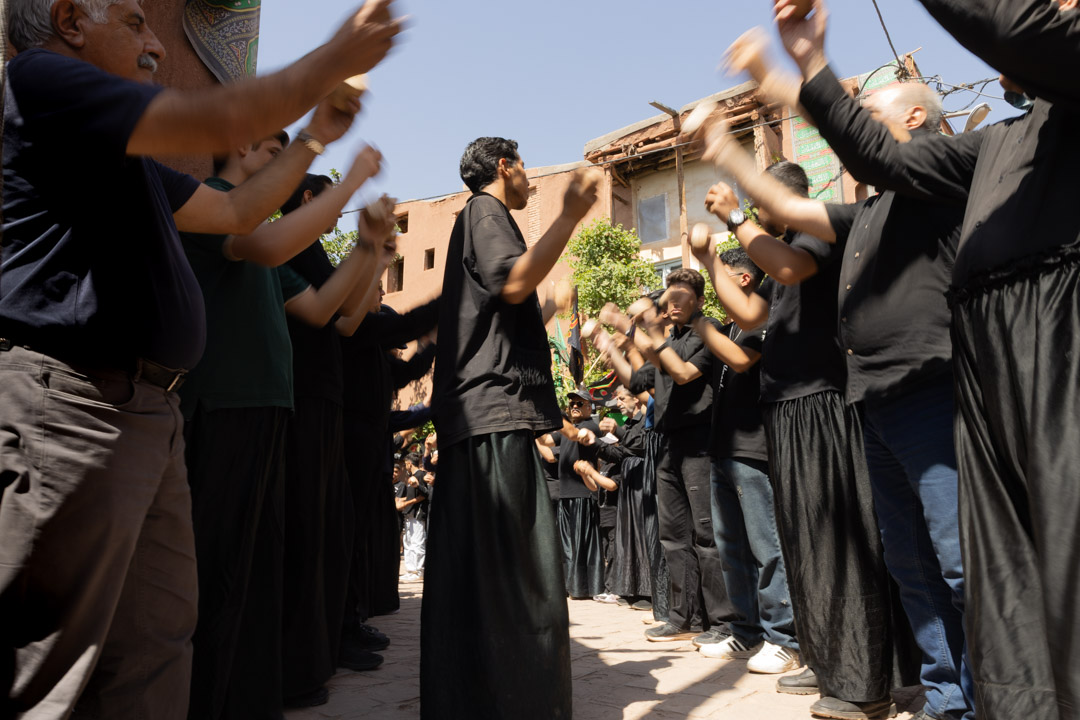
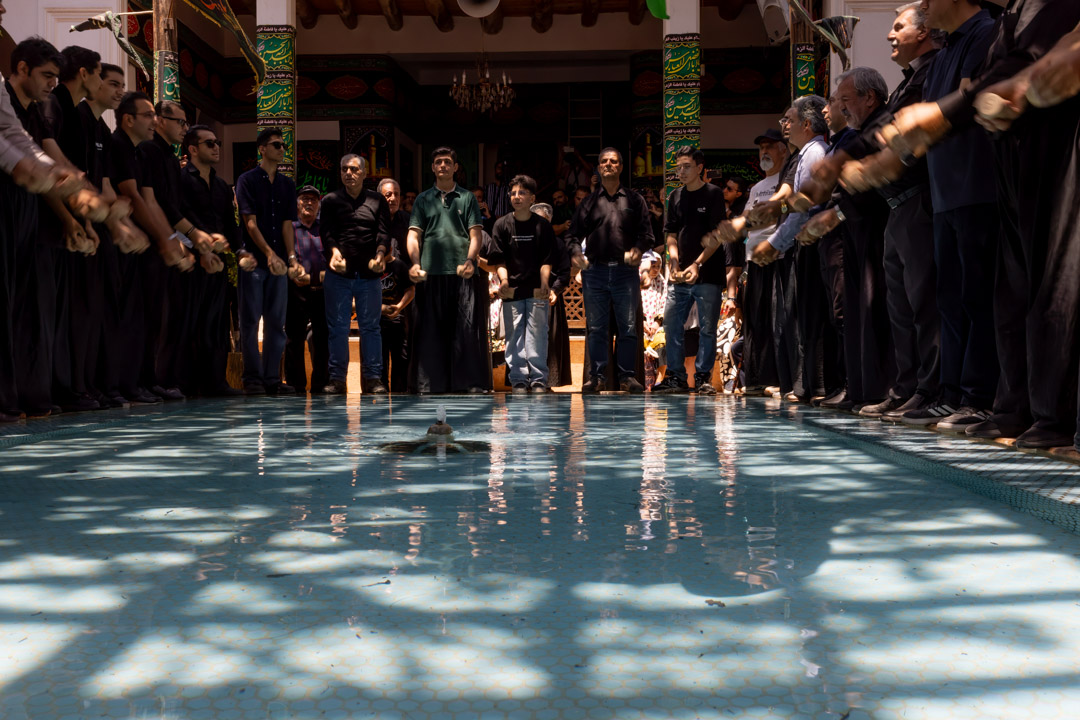
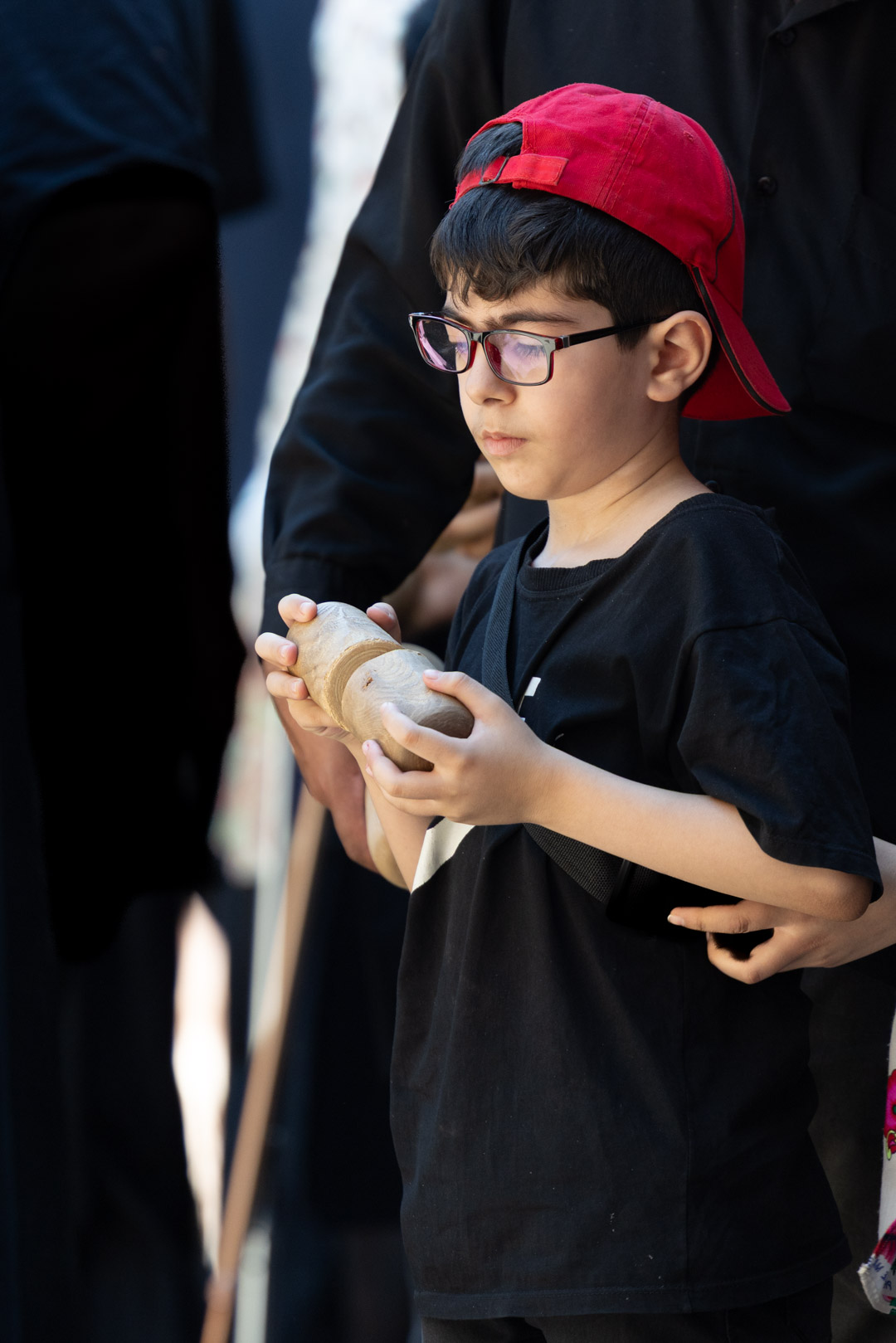
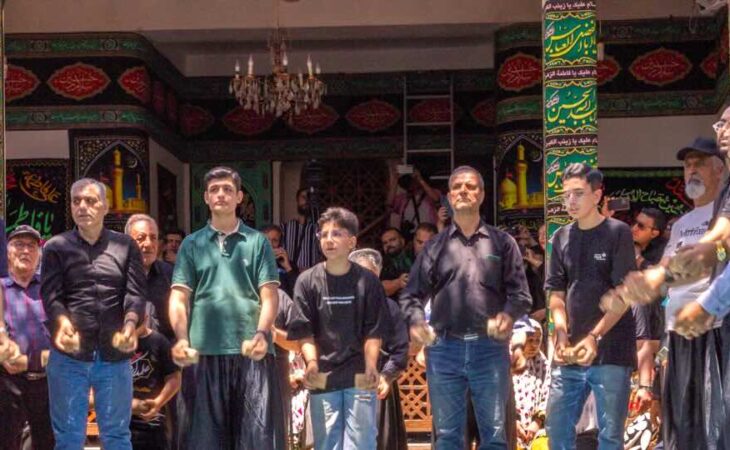
Every year, during Tasua and Ashura, the two days of mourning that mark the martyrdom of Imam Hussein, the grandson of the Prophet Muhammad, the historic village of Abyaneh becomes the setting for one of Iran’s most distinctive religious ceremonies. At the heart of the commemoration is Joghjogheh-Zani, a rhythmic procession in which participants strike two small wooden clappers together in unison. Many researchers believe the ritual preserves echoes of ancient Iranian mourning traditions that, over centuries, became woven into the Shiite remembrance of Imam Hussein.
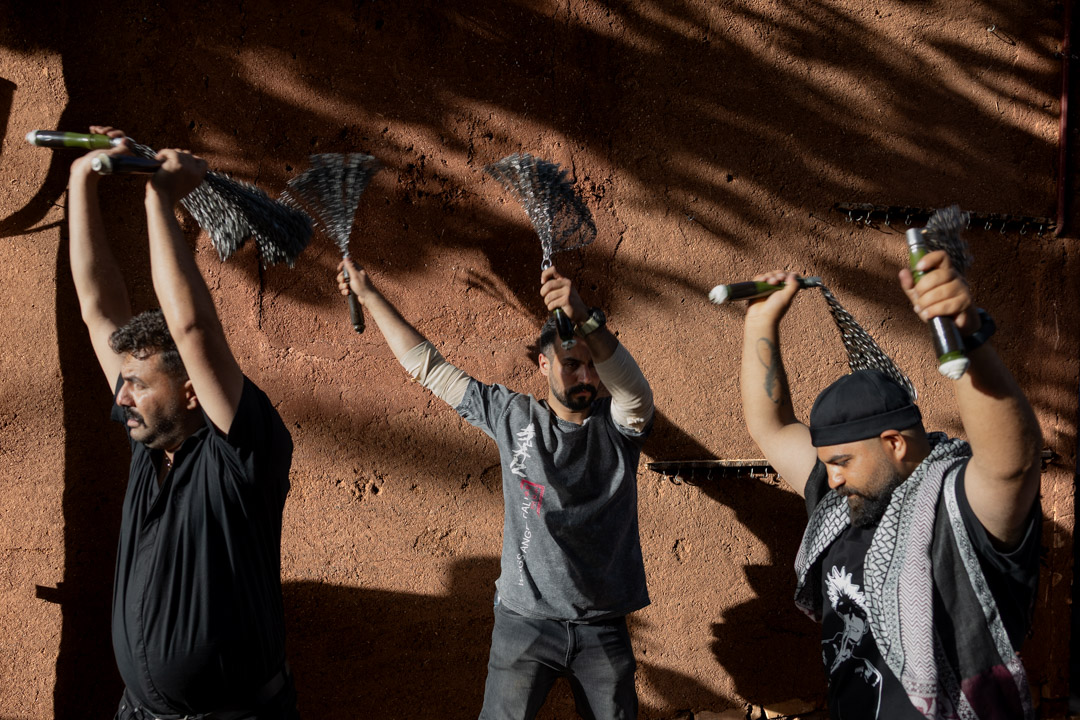
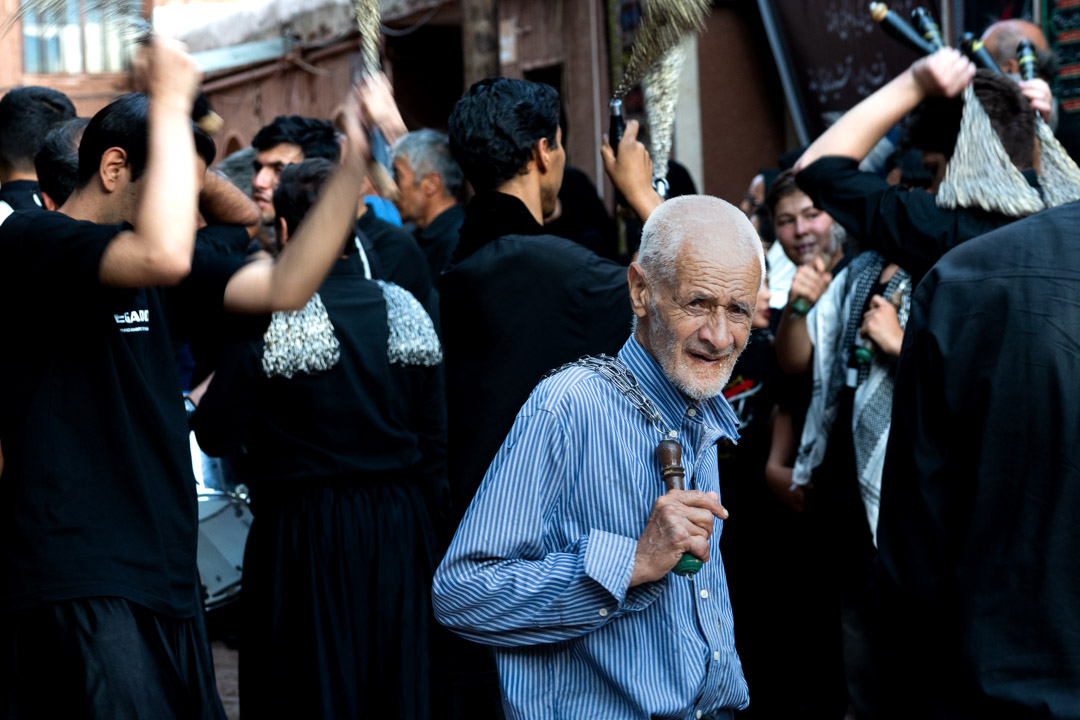
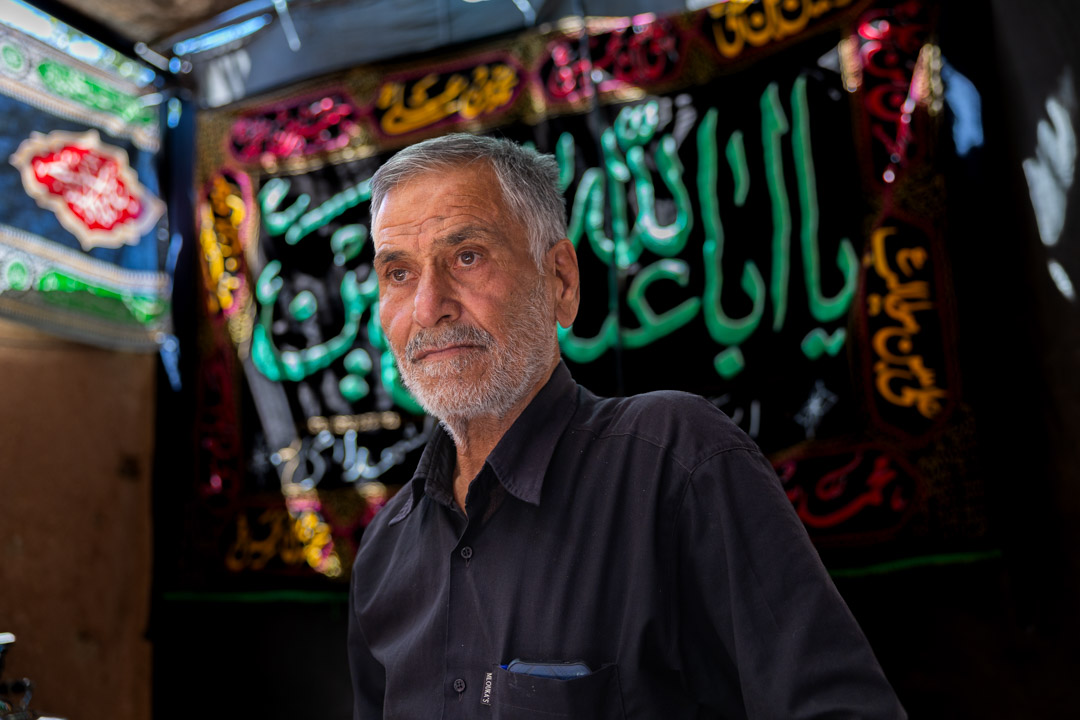
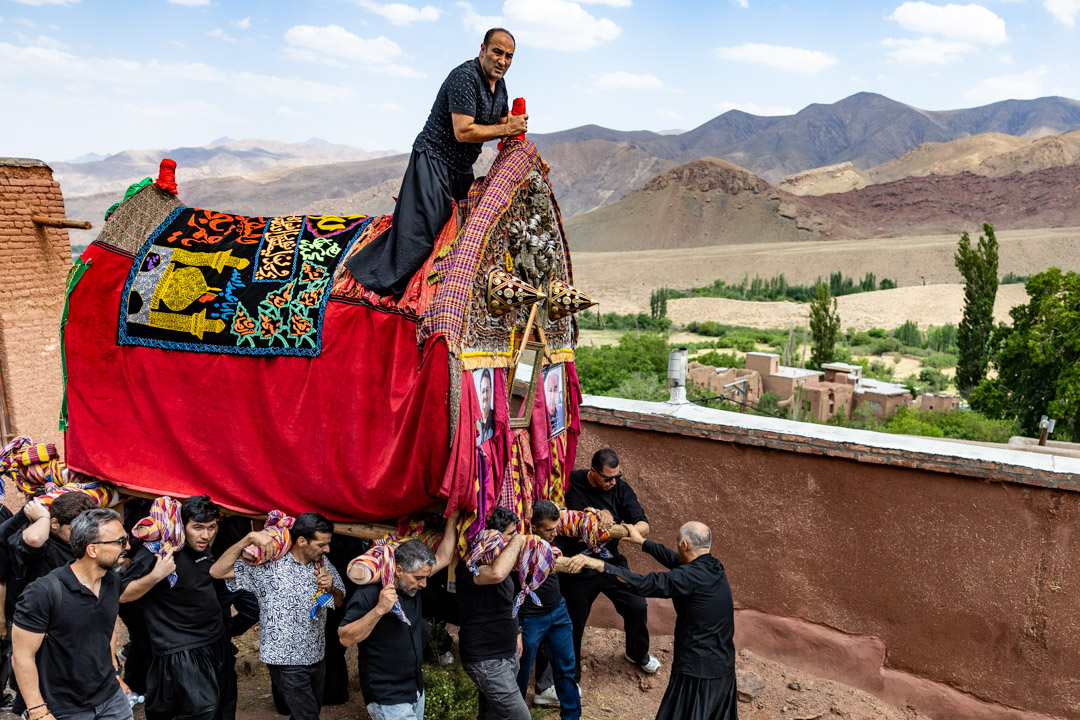
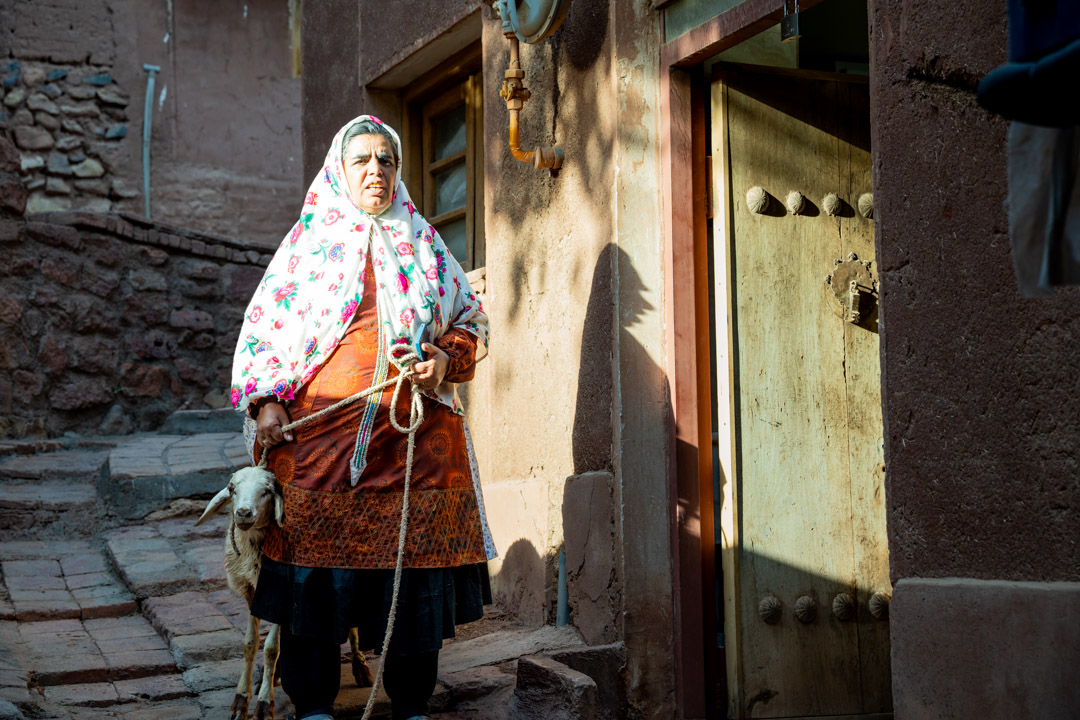
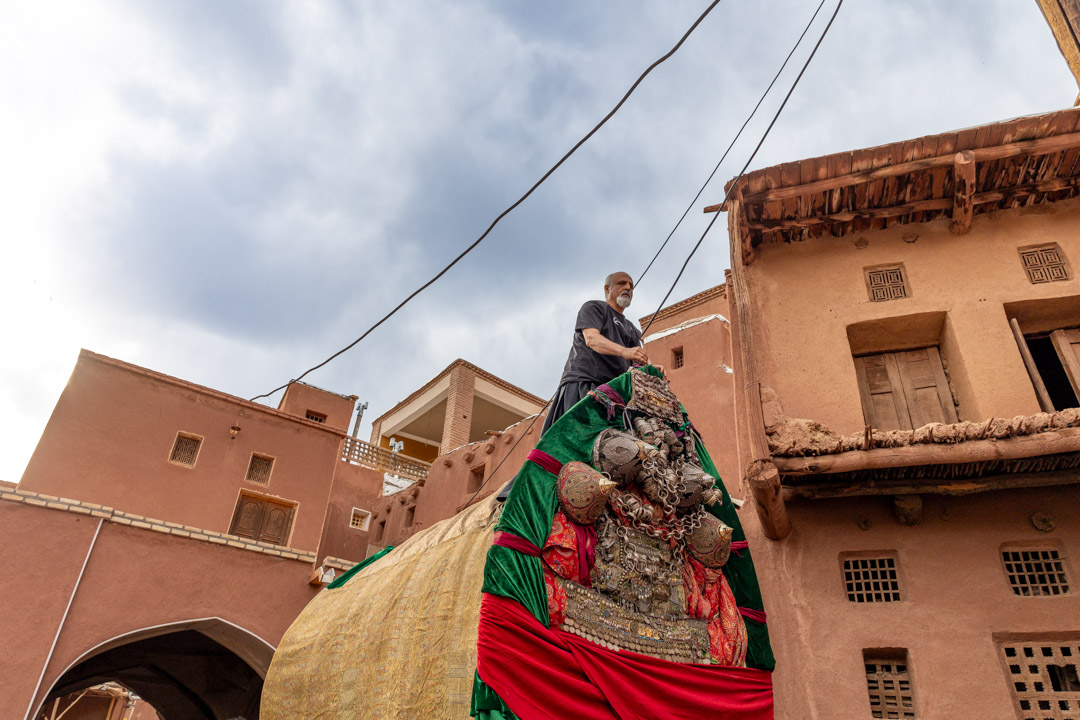
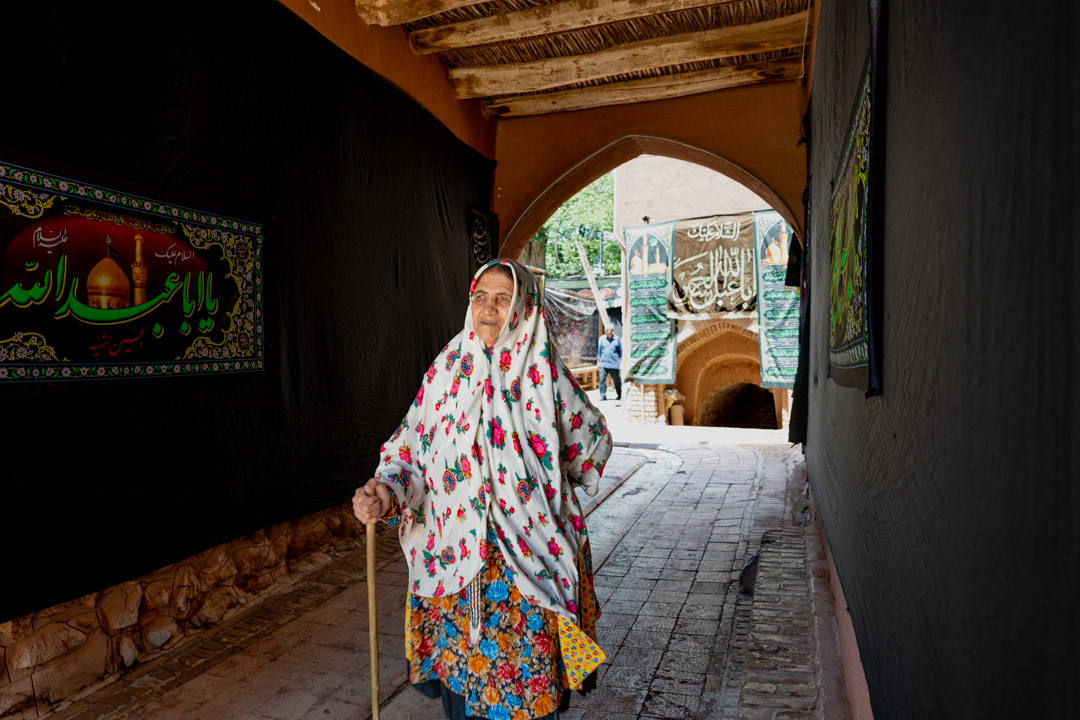
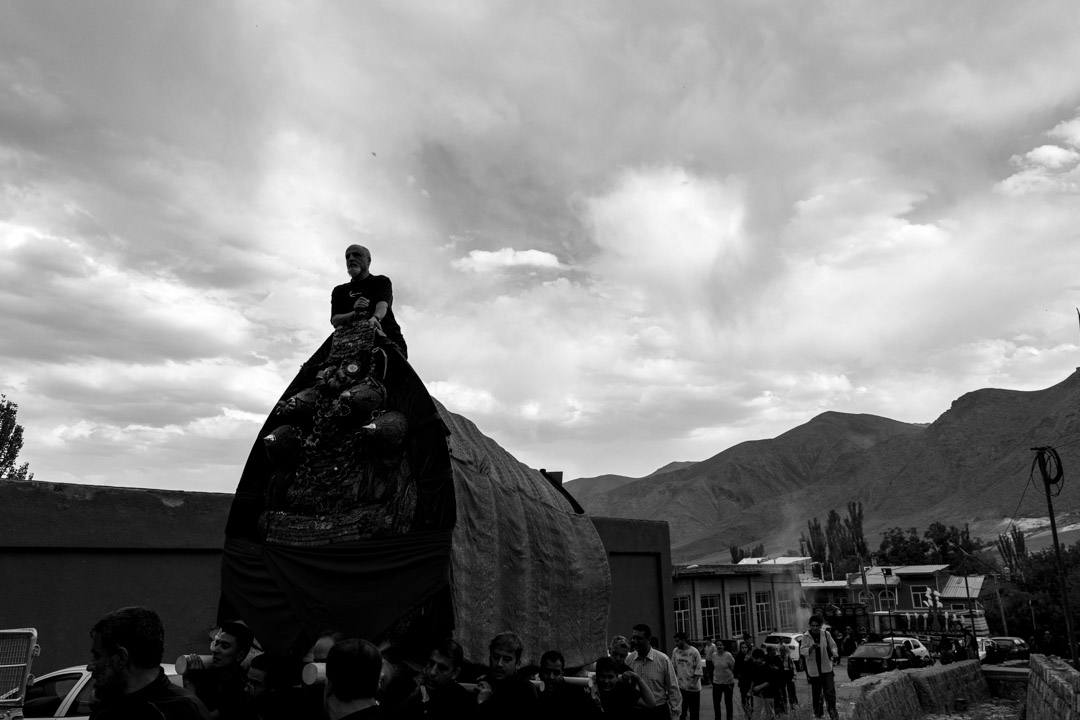
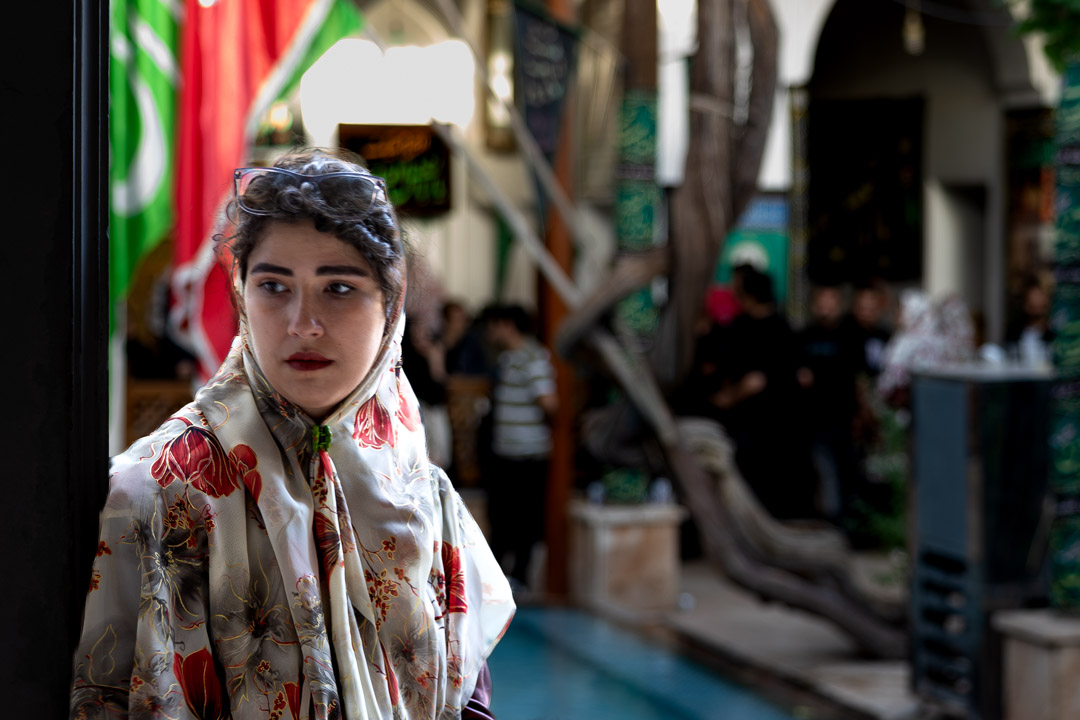
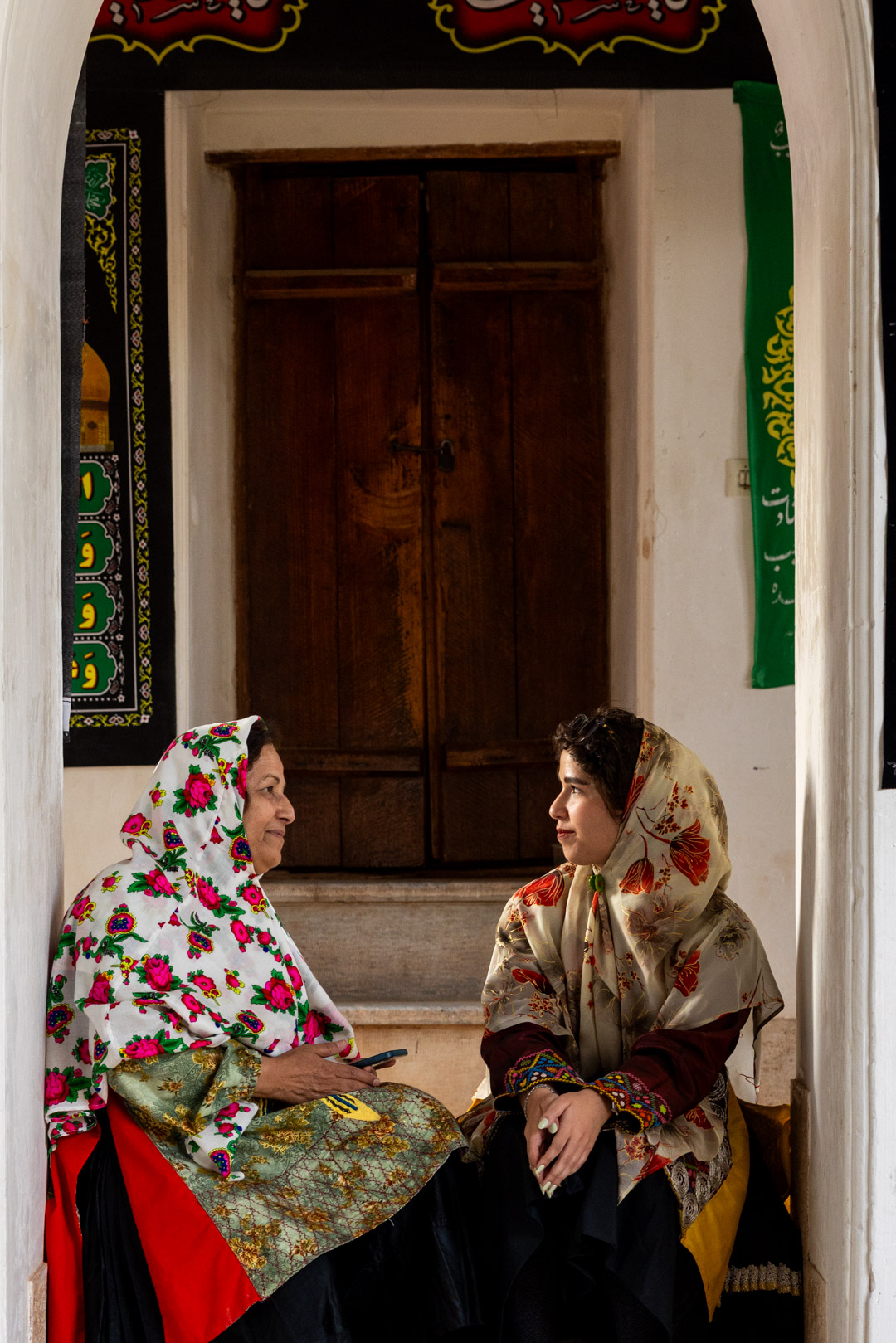
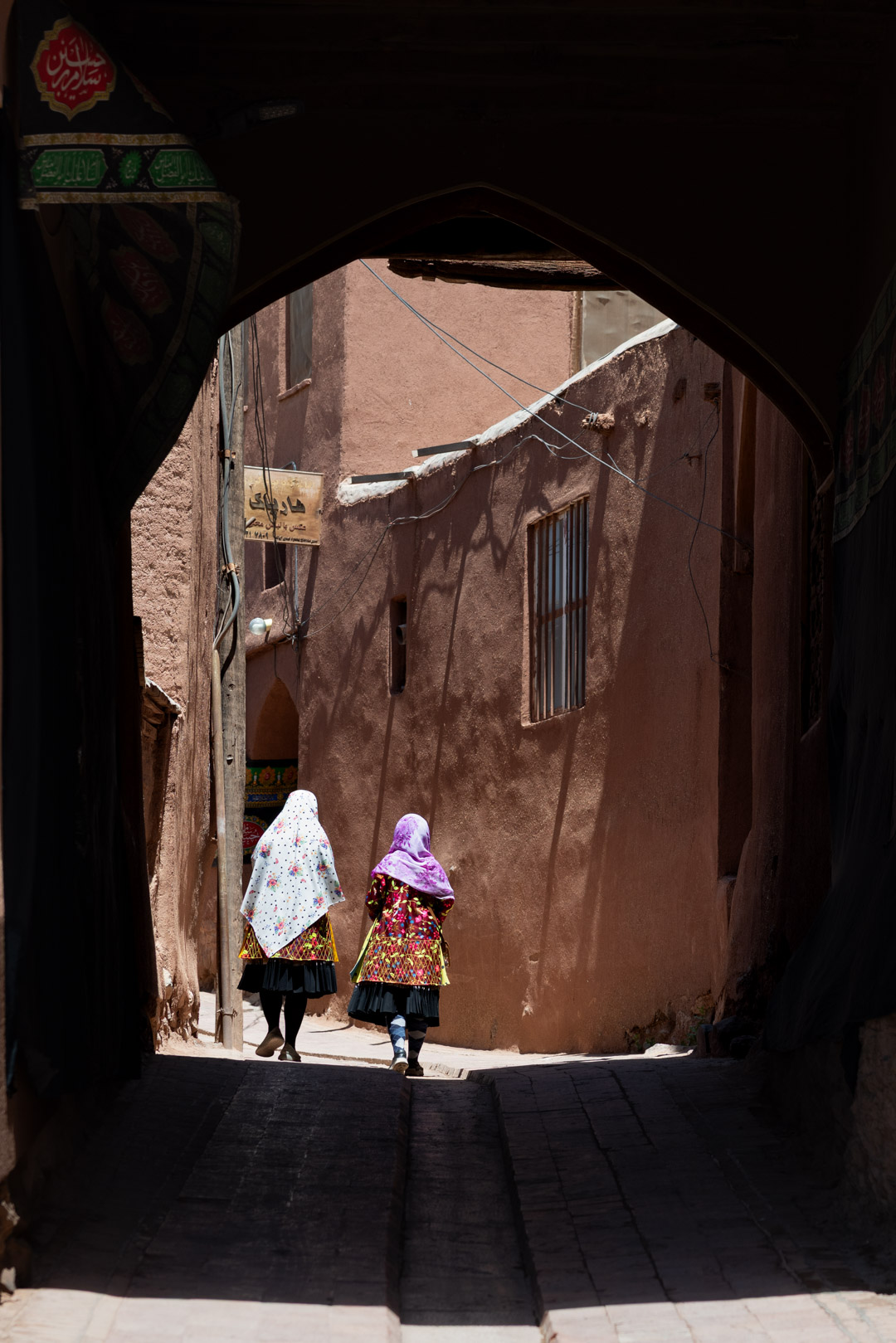
For two days, the village moves to the rhythm of wooden clappers, drums, chants, and the procession of the historic Nakhl, a symbolic funeral structure carried through Abyaneh’s narrow streets. Men and women, young and old, gather alongside families who return each year from cities across Iran to take part in a tradition that continues to unite the community.
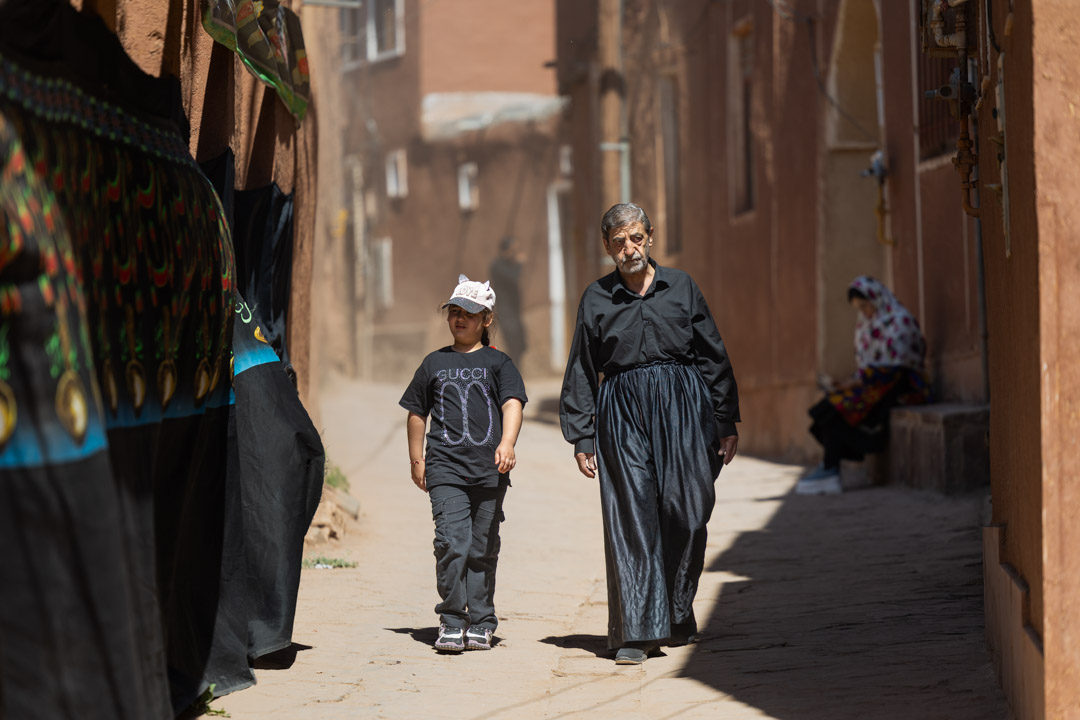
Perhaps the most enduring image is not the ceremony itself, but the generations who keep it alive. Children walk beside their parents, holding the same wooden clappers and learning the same rhythms that have echoed through Abyaneh for centuries. Here, tradition is not preserved behind museum walls—it is lived, shared, and passed from one generation to the next.